
Top pick for this guide
Discover Quito; Old town, Middle of the world + Cable car PRIVATE
Join us to discover the best of Quito city, the capital city of Ecuador. You'll start walking in the historical center, this is the first Cultural H...

Build a manageable city visit with a few clear anchors, realistic connections and alternatives that keep the day flexible.
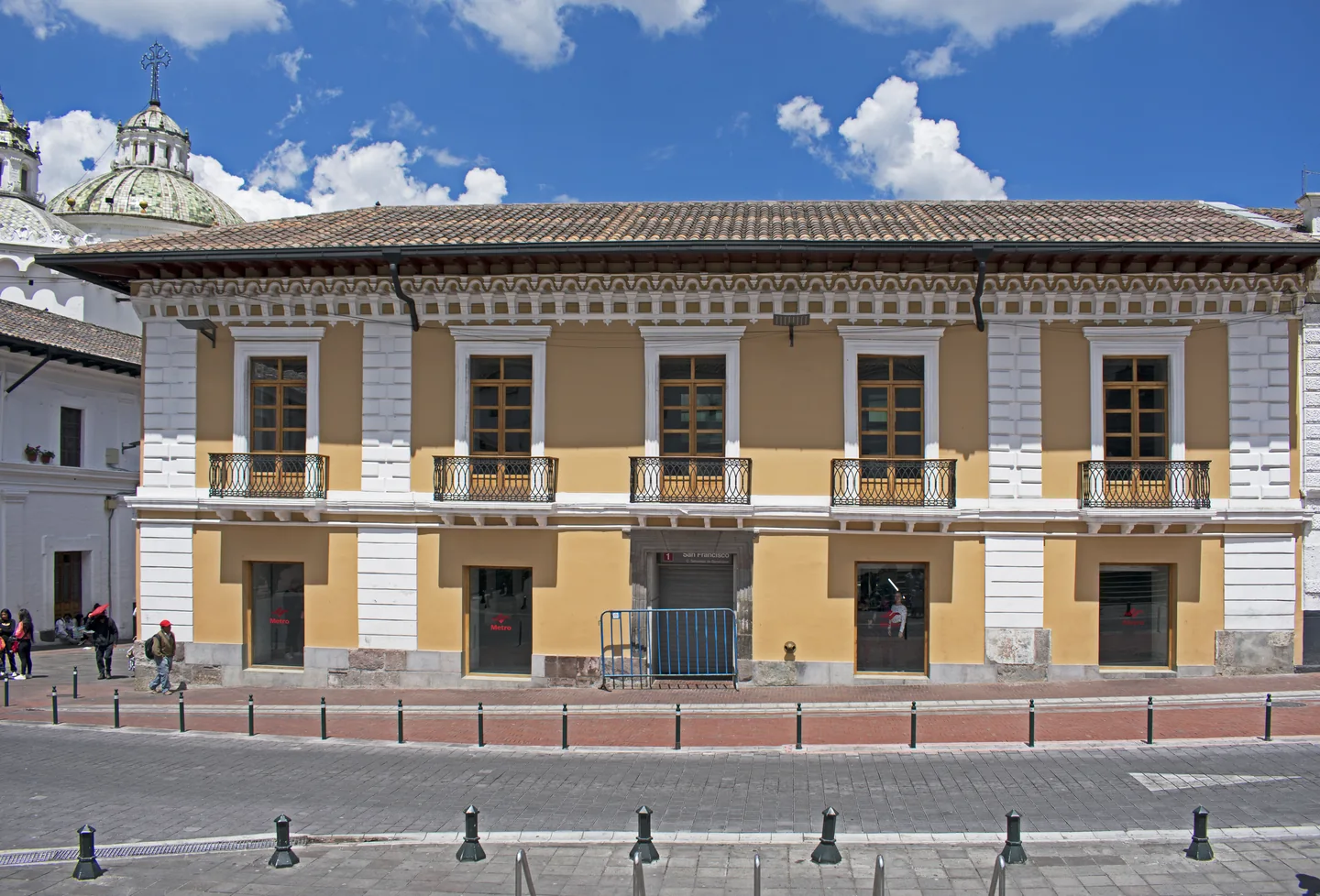
A useful Quito itinerary begins with the places you most want to understand, then adds the journeys between them. The city’s streets, levels and wider urban footprint make a small map an incomplete planning tool. Give travel between areas its own space instead of filling every hour with another stop.
This is an evergreen planning approach, not a fixed timetable. Check current transport information, venue opening arrangements and official visitor guidance close to travel. Your dates, arrival time, interests and access requirements will determine the final shape of the visit.
Join us to discover the best of Quito city, the capital city of Ecuador. You'll start walking in the historical center, this is the first Cultural H...

Enjoy an amazing 360- degree view from Panecillo Hill. The tour will then continue from the Basilica Church, where w...

Visit the first Unesco site in the World, with spring like weather is home of the largest, best preserved Colonial A...

In the city of Quito you will find a lot of walking tours, but the difference in my tour is that You will have the c...
An anchor is the one part of a day you particularly want to make happen. It might be a cultural venue, a guided walk, a neighborhood meal or time in the historic center. Place that on the plan first. Then add one or two nearby possibilities that can be shortened, moved or dropped without making the day feel unsuccessful.
Anchors help distinguish commitments from ideas. A booked activity has a meeting point and conditions; a possible café stop is flexible. Keep those differences clear in your notes. Avoid making a chain in which one delayed journey causes every later reservation to become difficult.
Before deciding to walk, look at the actual connection: streets, crossings, changes of level and the location of the destination entrance. If you will use public transport, check the current official route and ticket information. If you arrange a transfer, confirm the pickup point and what happens if your arrival changes.
Use exact place names when sharing a plan. A museum, park or plaza may have several approaches, and a neighborhood name can cover many streets. Download or save the essential addresses in a form that remains useful if your connection is unavailable.
An alternative works best when it solves a real problem. An indoor cultural stop may be useful if an outdoor plan no longer appeals, while a shorter walk can replace an overly ambitious circuit. A destination on the other side of the city may create more travel than it saves.
Check whether a venue’s current program is relevant to you rather than assuming any exhibition is interchangeable. Likewise, a workshop visit may need a reservation or may not include a demonstration. Direct information from the venue or provider is the appropriate source for those details.
Quito’s official tourism resources cover urban areas as well as rural destinations in the wider metropolitan district. Decide consciously when you are planning a city day and when you are planning an excursion. Do not treat a rural destination as another central neighborhood simply because it appears under the same destination heading.
For any excursion, understand the full return journey, the actual activity and its conditions. This guide does not promise weather, wildlife, access or operating schedules. A provider should explain what is included and what depends on the conditions on the day.

This is a full day tour from Quito to visit the Quilotoa Lagoon, an incredible turquoise-colored lake located inside...
Don't waste time waiting for large-group-tours and avoid unnecessary crowds on this day trip. Stop anywhere you want...

Within the Cotopaxi National Park is the active Cotopaxi volcano, an elevation of 5,897 meters above sea level locat...
Enjoy an amazing 360- degree view from Panecillo Hill. The tour will then continue from the Basilica Church, where we will make a brief stop. Walk aro...
Join us to discover the best of Quito city, the capital city of Ecuador. You'll start walking in the historical ce...
In the city of Quito you will find a lot of walking tours, but the difference in my tour is that You will have the c...
Use the historic-center guides for architectural detail, food and culture for working streets and meals, and neighborhoods for a different city rhythm. Compare the options before adding more. A plan with room to notice things is often more useful than a long route you feel obliged to finish.
Orientation: Quito Turismo and its city-route information. Consult current official transport, venue and visitor guidance for operational details.
