
Top pick for this guide
Discover Quito; Old town, Middle of the world + Cable car PRIVATE
Join us to discover the best of Quito city, the capital city of Ecuador. You'll start walking in the historical center, this is the first Cultural H...

Connect a plaza, a courtyard and a few streets instead of trying to collect every landmark in one walk.
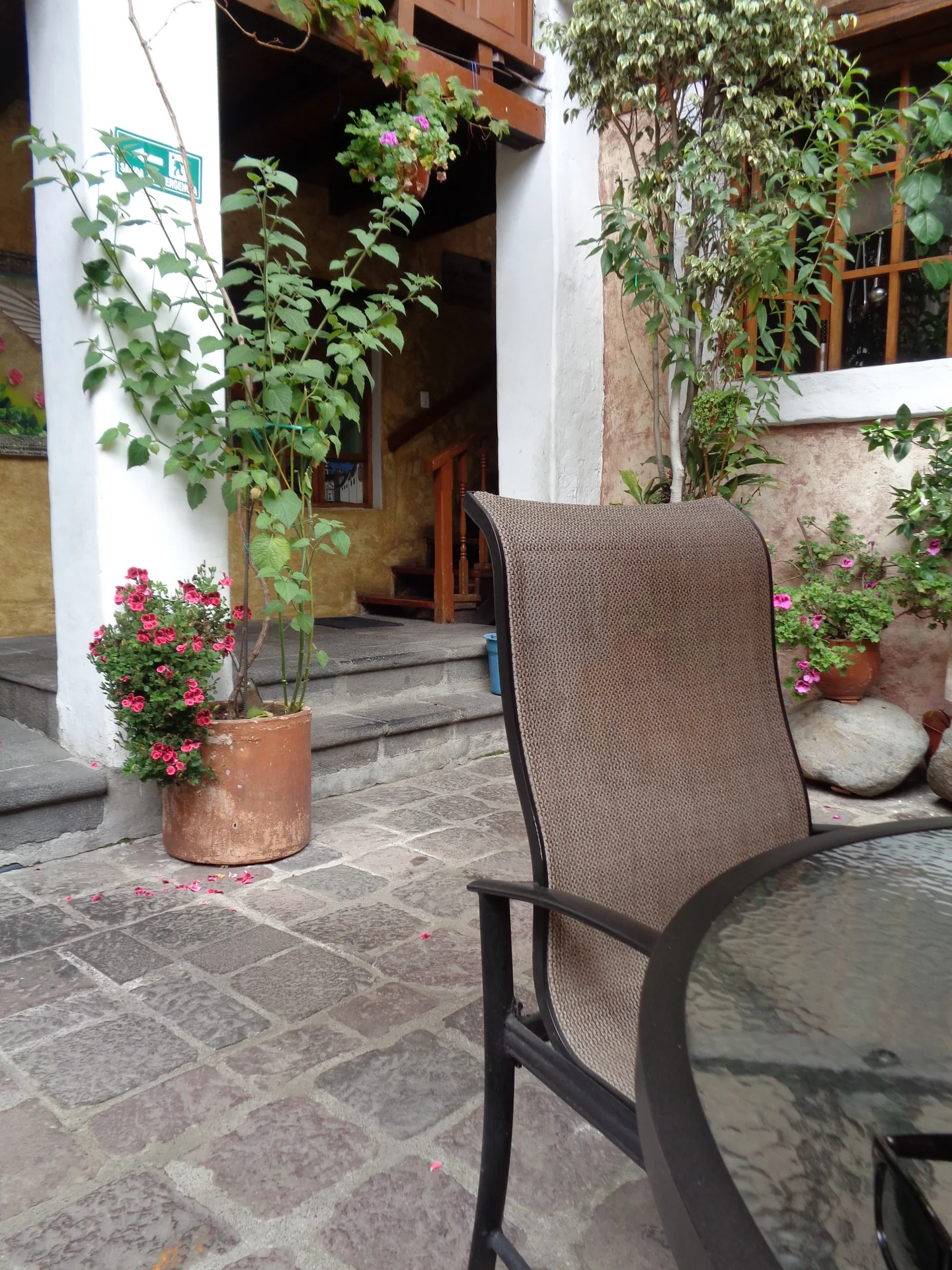
Quito’s historic center rewards a visit built around short, connected chapters. A street can lead from a broad plaza into a much quieter interior, while the next corner brings ordinary shops and people moving through their day. Rather than treating every church, museum and viewpoint as one checklist, choose a small area and give it your attention.
UNESCO recognizes the historic center for its urban fabric and architectural traditions, including the Quito school. That recognition is a reason to look closely, not a promise that every interior will be open whenever you arrive. Keep current access information separate from your larger plan.
Join us to discover the best of Quito city, the capital city of Ecuador. You'll start walking in the historical center, this is the first Cultural H...
Choose a recognizable plaza as the beginning of your walk. Plaza Grande and the area around San Francisco provide different starting contexts, but neither has to be the beginning of a fixed circuit. Decide which interior you most want to visit, check its current arrangements with the venue, and build the walk around that anchor.
Save the exact meeting point if you are joining a guide. A place name may cover an entire square, several entrances or a nearby street. A screenshot or written address is more useful than assuming everyone means the same corner. If your visit begins elsewhere in Quito, include the journey to the center in the plan.
Some of the center’s most interesting changes of scale happen at thresholds. A dark entrance can frame light, planting or a different rhythm of columns inside. Where access is public and welcomed, pause before moving through. Keep doorways clear and follow the venue’s rules about photography, bags and quiet areas.
A courtyard is also a useful reminder that a building may still have a purpose beyond a visitor’s photograph. Cultural venues, religious buildings, shops and offices operate on their own terms. An open entrance is not permission to enter every room. Ask before photographing a person, a workshop process or material that appears private.
Interior visits can take more attention than a map suggests. A museum exhibition, church or cultural center deserves time to understand its context. Two thoughtful stops may give you a clearer impression than a day spent moving between entrances. Keep one alternative nearby in case your first choice is unavailable.
| Chapter | Choose | Leave flexible |
|---|---|---|
| Orientation | One plaza or meeting point | The first short detour |
| Close observation | One interior you want to understand | A second venue |
| Everyday city | A nearby street and meal pause | The length of the walk |
End the walk near a place where you can pause and decide what comes next. That could mean a meal, a cultural venue or a straightforward transport connection. Avoid adding a distant viewpoint simply because it looks close on a small map. Quito’s levels and road connections deserve their own planning time.

Enjoy the most complete, exciting and flexible full day trip in Quito! Have the best memorable lifetime experiences...

This is a fun and relaxing tour of Otavalo Market. You will make stops at great foodie sites, check out a beautiful...

Enjoy a day trip to Cotopaxi Volcano located inside the National Park. Admire the beautiful Andes Mountains and enjo...
Join us to discover the best of Quito city, the capital city of Ecuador. You'll start walking in the historical center, this is the first Cultural H...
If the center is only one part of your stay, compare it with the neighborhood guides rather than trying to fit the whole city into this outing. Our guide to choosing a base can help connect your accommodation choice with the places you want to explore.
Background: UNESCO’s City of Quito entry and Quito Turismo’s city routes. Confirm venue access and route conditions through current official information.
