
Top pick for this guide
Colonial Quito: Flavors and Folktales walk
In the city of Quito you will find a lot of walking tours, but the difference in my tour is that You will have the chance to eat an taste typical food...

Approach La Ronda through its working spaces, food and material details, with time to ask questions and make considered choices.
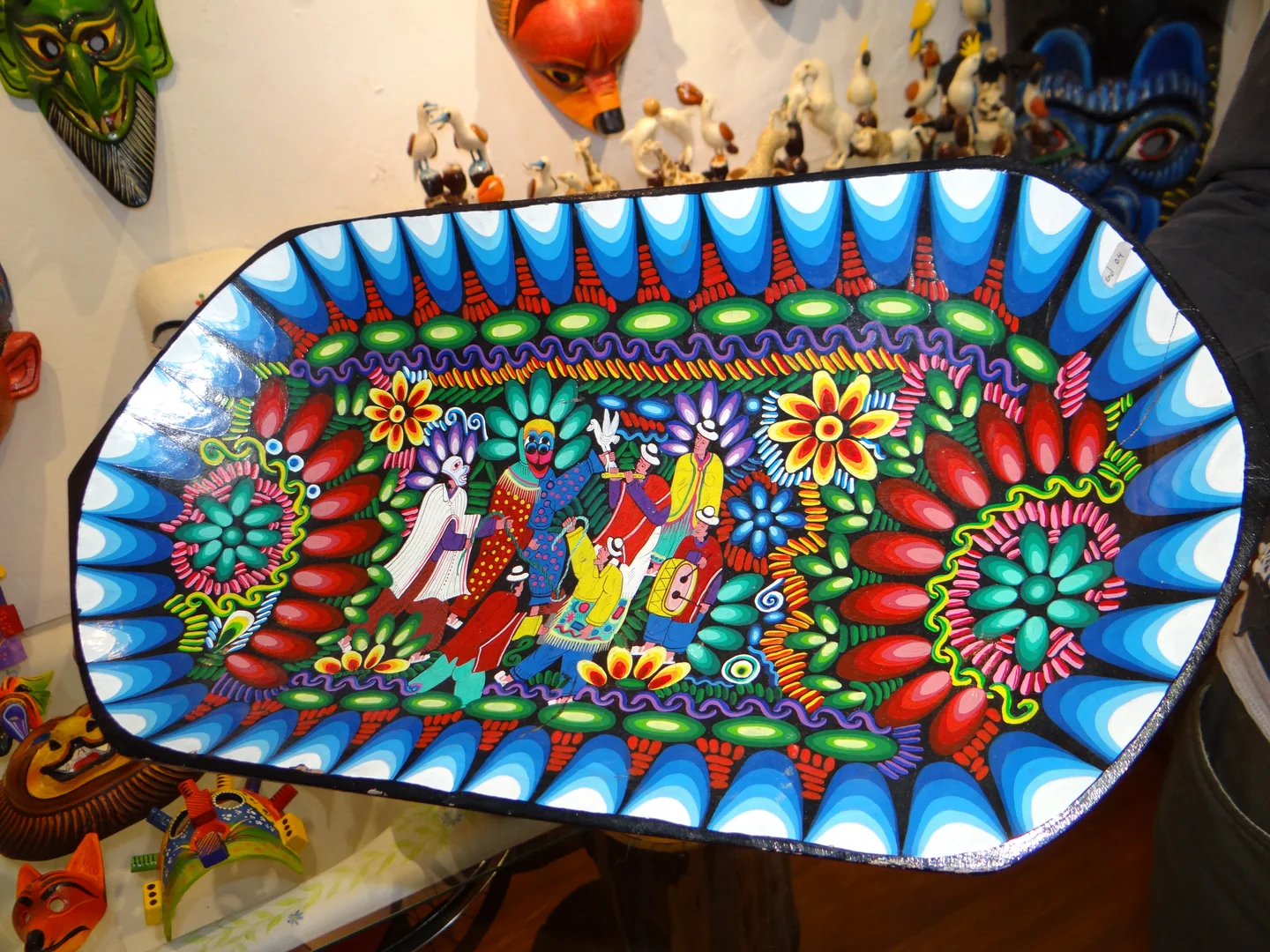
La Ronda offers a compact way to connect streetscape, food and craft in Quito. The area is associated with balconies, workshops and cultural activity, but it is most useful to approach it as a living part of the city. Arrive with curiosity about a process or an ingredient rather than expecting every doorway to provide the same visitor experience.
Quito Turismo’s cultural guide provides an introduction to La Ronda. Use it to decide what interests you, then check the current details of any workshop, venue or business you intend to visit. Programs and opening arrangements can change, and a photographed shopfront is not proof that a business is still operating.
In the city of Quito you will find a lot of walking tours, but the difference in my tour is that You will have the chance to eat an taste typical food...

Andres (the owner) will meet you at your hotel, if your hotel is close to the market we will walk there, if not we will take my comfy SUV. Andres will...
When a maker welcomes questions, start with the object in front of you. What material is used? Which stages are carried out here? What should you know about caring for it? These questions can make a visit more rewarding without asking someone to perform a demonstration they have not offered.
Ask before photographing hands, tools or people at work. A public shop and a private working space may sit behind the same entrance. Respect an answer of no and keep access clear for other customers. If you are buying something, confirm its price, size, material and packing needs directly with the seller.
Food is a useful reason to pause rather than hurry between stops. Read the current menu, ask about ingredients and choose the portion or format that suits your day. If you have dietary requirements, communicate them clearly with the business; this guide cannot verify individual kitchens or guarantee an accommodation.
Quito’s market culture extends beyond a single street. The city’s official market route points toward different places for food, produce and everyday trade. A market visit and a La Ronda visit do not need to be squeezed into the same outing. Choose the combination that leaves enough time to understand what you are seeing.
The most memorable detail may be a carved edge, a painted balcony or a short explanation of how something is used. Buying is optional. If an object carries a story or cultural meaning, let the maker or a reliable source explain it rather than assigning your own interpretation from its appearance.
Be cautious with broad labels such as traditional or authentic. They can hide differences between materials, makers and intended uses. A contemporary object can be just as thoughtful as a historic design. The important questions are who made it, what it is and whether the information you receive is clear.
La Ronda can fit into a shorter historic-center outing, but your day need not remain indoors or on one street. Choose a nearby public space for a pause and make a clear plan for the return journey. Check current route information instead of assuming a map pin captures the full approach.

Explore the equator line complex and the cable car with your couple, friends or group in a private experience. You w...

Enjoy a day trip to Cotopaxi Volcano located inside the National Park. Admire the beautiful Andes Mountains and enjo...

Embark on the original and unique Mindo's Cloud Forest Tour: Chocolate, Coffee, Birds. Immerse yourself in the wonde...
In the city of Quito you will find a lot of walking tours, but the difference in my tour is that You will have the chance to eat an taste typical food...

Enjoy an amazing 360- degree view from Panecillo Hill. The tour will then continue from the Basilica Church, where w...
Andres (the owner) will meet you at your hotel, if your hotel is close to the market we will walk there, if not we w...
For a broader first visit, start with the historic-center walking guide. If you prefer a guided visit, the Tours page explains the kinds of experiences to compare without inventing availability, prices or a booking promise.
Background: Quito Turismo on La Ronda and the Quito markets route. Photographs document particular places and dates; they do not establish current business access.
Andres (the owner) will meet you at your hotel, if your hotel is close to the market we will walk there, if not we will take my comfy SUV. Andres will...

Visit the first Unesco site in the World, with spring like weather is home of the largest, best preserved Colonial A...

In the heart of South America, nestled just two hours north of Quito, lies the enigmatic town of Otavalo. It's not j...

The day is yours-we can go wherever you want! Share your interests and we’ll handcraft your ideal Ecuadorian adven...